The Allure of the Casino Environment
The casino environment is meticulously crafted to captivate and engage individuals, creating an immersive experience that appeals to various senses. Bright lights, vibrant colors, and captivating sounds work together to stimulate excitement and anticipation. This sensory overload can lead to a heightened state of arousal, making individuals more susceptible to impulsive decisions related to fast casino withdrawal strategies, which often enhance the thrill of gambling as players seek immediate rewards.
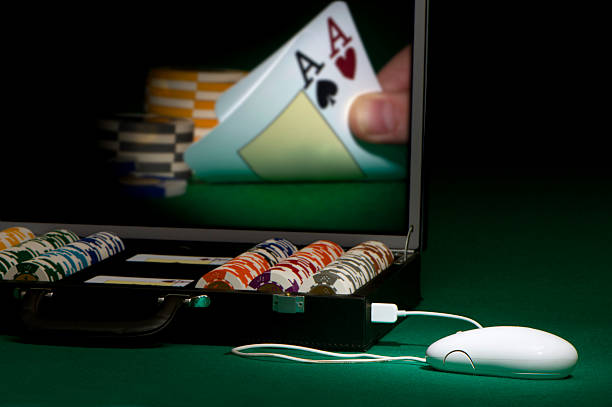
Moreover, casinos often employ strategies such as complimentary drinks and free plays to create a sense of goodwill and hospitality. This practice fosters an emotional connection with players, making them feel welcomed and valued. As a result, many gamblers find it difficult to leave, drawn deeper into the thrilling atmosphere. The combination of sensory stimulation and these incentives not only enhances the gaming experience but also increases the likelihood of prolonged gambling sessions, as players are encouraged to stay longer and spend more.
The psychological impact of the casino environment is further intensified by the presence of other players. The social aspect of gambling creates a sense of community and shared experience, contributing to the excitement of playing. Engaging with fellow gamblers can lead to feelings of camaraderie, which can further increase one’s desire to continue playing. Thus, the casino environment is more than just a space for gambling; it is a carefully crafted experience designed to enhance players’ psychological engagement, making them feel part of something larger than themselves.
The Role of Cognitive Biases in Gambling
Cognitive biases play a significant role in gambling behavior, influencing how individuals perceive odds and outcomes. One common bias is the illusion of control, where bettors believe they can affect the outcome of a game, particularly in games involving skill. This belief can lead to overconfidence and excessive risk-taking, as individuals may wager more than they should in hopes of a favorable outcome. Such biases can cloud judgment, pushing players to disregard rational decision-making and ultimately leading to financial losses.
The gambler’s fallacy is another cognitive distortion that affects how players view chances and statistics. Many gamblers believe that past events influence future outcomes, such as thinking that a number is “due” to come up in a game of chance. This flawed reasoning can lead to a cycle of chasing losses and increased betting, as players feel compelled to continue until they achieve a win. These biases significantly impact how individual gamblers perceive their experiences, often leading to regret and frustration when outcomes do not align with their expectations.
Moreover, the concept of near misses—when a player comes close to winning but ultimately does not—also plays a critical role in reinforcing gambling behavior. Near misses trigger an emotional response that can be interpreted as a sign of potential success, keeping players engaged. This phenomenon can perpetuate the cycle of gambling, as individuals may mistake frustration for motivation, believing that eventual victory is just around the corner. This cycle can lead to increased betting and a more profound commitment to gambling, often without considering the financial implications.
The Impact of Emotions on Gambling Decisions
Emotions play a crucial role in gambling, influencing decisions and overall behavior in the casino. Many gamblers experience a range of emotions from exhilaration during wins to anxiety and despair during losses. This emotional rollercoaster can significantly affect a player’s judgment, sometimes leading to impulsive actions that contradict their better judgment. For instance, a player who experiences a significant win may feel invincible, resulting in riskier bets that could lead to substantial losses, as they chase the high of their earlier success.
The emotional connection to gambling can also be tied to personal circumstances. For some, gambling may serve as an escape from real-life stresses, offering a temporary reprieve from daily challenges. This coping mechanism can create a cycle whereby individuals repeatedly turn to gambling as a means of dealing with negative emotions, such as sadness or boredom. As their reliance on gambling grows, so too does the potential for developing problematic behaviors, potentially leading to addiction and financial distress.
Additionally, the aftermath of gambling can lead to various emotional consequences, such as guilt or remorse. Players who experience losses may feel compelled to recover their investment through further gambling, often resulting in an escalating emotional response that can spiral out of control. The interplay of emotion and gambling behaviors can create a complex relationship where joy and despair coexist, ultimately shaping a gambler’s decision-making and lifestyle choices, making it crucial for players to recognize these emotional patterns.
Understanding Addiction and Compulsive Gambling
Gambling addiction is a pressing issue that affects many individuals, characterized by an uncontrollable urge to gamble despite adverse consequences. This condition is often linked to the psychological and emotional factors previously discussed. For example, the thrill of winning can create an addictive cycle, where individuals chase the high of their last win. Over time, the brain becomes wired to seek that rush, leading to compulsive behaviors even in the face of significant losses. This cycle can devastate personal relationships and finances.
The development of gambling addiction can also be influenced by underlying psychological issues such as depression, anxiety, or low self-esteem. These factors may drive individuals to seek solace in gambling as a coping mechanism, escalating their dependency on games of chance. As gambling becomes a primary source of relief, it can lead to detrimental consequences that affect personal relationships, financial stability, and mental health. Understanding these psychological triggers is essential for addressing addiction effectively.
Recognizing the signs of gambling addiction is crucial for early intervention and recovery. Symptoms may include preoccupation with gambling, increased secrecy about activities, and neglecting responsibilities or relationships. Support systems, including counseling and support groups, play an essential role in helping individuals break free from the cycle of addiction. Addressing the psychological roots of gambling behavior is vital to achieving long-term recovery and maintaining a healthier relationship with gaming, emphasizing the importance of seeking help when needed.
Conclusion: Insights for Responsible Gambling
Understanding the psychology behind casino gambling is essential for promoting responsible behavior among players. Awareness of the sensory influences and emotional triggers can help gamblers make more informed choices about their gambling habits. Keeping in mind the cognitive biases and emotional impacts while gambling can foster a more reflective approach to playing, reducing the likelihood of developing harmful behaviors. This understanding can empower individuals to engage with gambling in a more mindful way.
For individuals seeking to engage in gambling responsibly, it is crucial to set limits and recognize personal triggers. This self-awareness can aid in mitigating impulsive behaviors and maintaining control over one’s gambling activities. Approaching gambling as a form of entertainment rather than a means to achieve financial gain reinforces the idea of moderation in all gambling pursuits. This perspective can help mitigate the risks associated with gambling.
For those looking to explore more about gambling behavior and its psychological aspects, various resources and websites provide valuable insights. Engaging with reputable platforms that offer information on responsible gambling can serve as a helpful guide, empowering individuals to enjoy gambling responsibly and sustainably without falling prey to the potential pitfalls that come with it. Such resources can contribute to a healthier relationship with gambling and ensure a safer gaming experience for everyone.